










We use cookies to allow our website to function properly, personalize content and advertisements, provide social media features, and analyze traffic. We also share information about your use of our website with our social media, advertising, and analytics partners.
Annual performance
The Company has continued to demonstrate a strong commitment to environmental management and sustainable governance, responding to global climate action demands with tangible results. During the year, the Company conducted a comprehensive group-wide greenhouse gas inventory and obtained external third-party verification, ensuring data transparency and reliability, and laying a solid foundation for the formulation of subsequent carbon reduction strategies and performance tracking.
In terms of energy transition, the group-wide proportion of green electricity usage increased to 42.19%, with a total of 17.55 million kWh of renewable energy adopted, effectively reducing the Company’s operational carbon footprint and supporting the development of the renewable energy market. Water resource management also achieved measurable results: compared with the 2022 baseline year, total group-wide water withdrawal decreased by 46.76 million liters, representing a reduction of 15%, reflecting the Company’s continuous efforts to enhance process efficiency and water recycling and reuse. In addition, compared with the baseline year, group-wide Scope 1 and Scope 2 greenhouse gas emissions were reduced by 9,037 metric tons of CO₂-equivalent, a reduction of as much as 37%, demonstrating significant achievements through the adoption of energy-saving technologies, equipment improvements, and the use of green electricity.
The Company also continues to maintain IECQ QC 080000 certification, demonstrating high standards in hazardous substance management and the implementation of comprehensive controls across design, procurement, and manufacturing processes. Overall, through systematic management and continuous innovation, the Company is steadily advancing the reduction of its environmental footprint and taking more resilient steps toward sustainable operations.
42.19 %
Renewable electricity ratio
46.76 million liters
Water withdrawal reduction
9037 tCO₂e
Category 1, Category 2 greenhouse gas emission reduction
Background of Establishment
Energy shortage, global warming and climate change are becoming increasingly serious. Energy management and energy transition are one of the important items of international energy policy. The choice and consumption of energy are closely related to the Company's cost, environment, safety and other issues. Improving energy utilization efficiency and reducing energy consumption will help save costs and mitigate the impact of climate change.
To layout a sound plan to increase the energy efficiency, Sunon started the implementation of ISO 50001 Energy Management System (EMS) and installed digital meters on major intense energy consumed equipment. This allows Sunon to effectively monitor the energy usages and utlize the data aggregated by the EMS and have a better insight on the energy footprint of our operating locations.
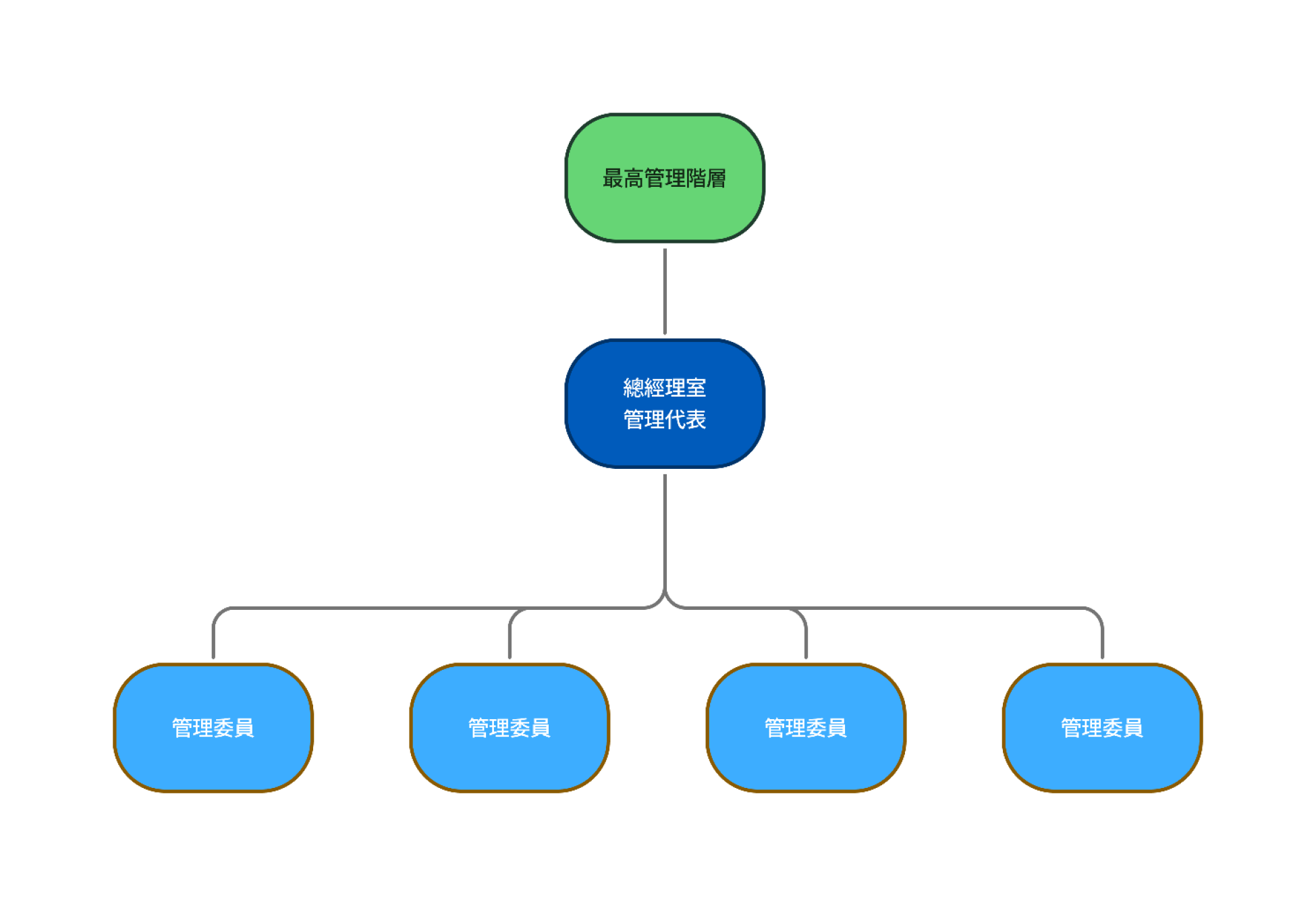
Sunon also form the Energy Management Panel in charge of integrating the energy usage of each operating location, understanding the major energy types of each site, and formulating energy-saving improvement plans and short-, medium- and long-term goals; the Energy Management Panel regularly supervises the implementation of energy policies every year and adjusts energy plans in a timely manner to ensure the achievement of energy-saving goals.
In 2024, Sunon’s headquarters had passed the third-party validation and acquired the ISO 50001 certificate. The Company aims to implement the ISO 50001 EMS across its operating locations in the future
The Company also strengthens the promotion of the Company's energy-saving policies and organizes related advocacy activities and education and training courses to enhance colleagues' awareness of energy saving and carbon reduction.
Energy Management Task Group Organizational Structure
- Top management
-
- Management Representative
General Manager's Office -
- Management Committee
Relevant department heads - Management Committee
Relevant department heads - Management Committee
Relevant department heads - Management Committee
Relevant department heads
- Management Committee
- Management Representative
| Roles | Responsibilities | ||
|---|---|---|---|
| Top management | 1.1 Identify the scope and boundaries of the energy management system, and formulate energy management policies. | ||
| 1.2 Appoint management representatives and approve the formation of the energy management team. | |||
| 1.3 Provide necessary resources to establish, implement, maintain, and improve the energy management system, and consider energy performance in the process. | |||
| 1.4 Ensure performance indicators are appropriate, and take energy performance into account during long-term planning. | |||
| 1.5 Chair the management review meetings and oversee the review tasks. | |||
| GM Office Management Representative | 2.1 Ensure the energy management system is established, implemented, maintained, and continually improved in accordance with ISO 50001. | ||
| 2.2 Regularly convene management review meetings, track progress, and ensure preparations are in place. | |||
| 2.3 Implement energy management policies set by top management. | |||
| 2.4 Supervise the achievement of energy management goals. | |||
| Management Team Members | 3.1 Assist in promoting and implementing energy management policies. | ||
| 3.2 Conduct departmental research on energy management topics and propose improvement plans. | |||
| 3.3 Attend energy management review meetings and assist with execution or follow-up of resolutions. | |||