May 31 of each year marks World No Tobacco Day, established by the World Health Organization (WHO) to raise public awareness of the impact of tobacco products on health, families, and living environments. According to WHO, tobacco causes more than 7 million deaths worldwide each year, including non-smokers who are harmed by exposure to secondhand smoke. WHO also notes that smoking cessation efforts can be significantly more successful when supported by professional counseling and medication assistance.
In Taiwan, tobacco hazards prevention has gradually shown positive results. According to data from the Health Promotion Administration, Ministry of Health and Welfare, the smoking rate among adults aged 18 and above in Taiwan has declined to 12.8%, representing a significant decrease compared with previous years. However, workplace exposure to secondhand smoke remains at 30.3%, indicating that the workplace continues to be an important setting for promoting smoke-free environments and health promotion initiatives.
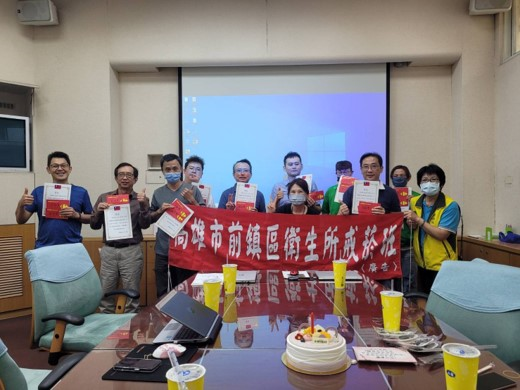
To respond to the World No Tobacco Day initiative and fulfill the Company’s ESG commitment to employee health and well-being under the social dimension, the Company designated its headquarters as the first implementation site for its smoking cessation health promotion program. In collaboration with the Qianzhen District Public Health Center of Kaohsiung City and Yuan’s General Hospital, the Company launched smoking cessation classes at its headquarters, introducing external professional medical and health education resources into the workplace. This initiative provides employees who are willing to quit smoking with more accessible, friendly, and supportive health services.
The smoking cessation classes organized by the Company are designed as a six-hour program, with one hour per week for each session. Professional medical and health education personnel assist employees in understanding the health risks of smoking, the mechanisms of nicotine addiction, ways to cope with withdrawal symptoms, and available smoking cessation resources. In addition to providing education on tobacco-related health risks, the courses also emphasize companionship, encouragement, and continuous support, helping employees recognize that quitting smoking is not merely a test of individual willpower, but a health action that can be gradually achieved through professional assistance and workplace support.
In 2025, the Company launched its smoking cessation class initiative at headquarters. Through internal surveys, course invitations, and collaboration with professional institutions, the Company initially established a smoking cessation support model at headquarters and has already helped employees successfully quit smoking. In 2026, the Company continued to promote the smoking cessation program and observed that participating employees demonstrated stable course engagement and a strong willingness to quit. This reflects that the program is not a one-time activity, but an important practice through which the Company continues to care for employee health and gradually build a health-oriented workplace culture.
A survey by the Health Promotion Administration also indicates that health concerns are the main reason former smokers choose to quit, while a considerable proportion of current smokers have tried to quit but were unable to succeed. This shows that professional assistance and ongoing support are essential throughout the smoking cessation process. By promoting smoking cessation classes, the Company aims to integrate workplace resources to lower the barriers for employees seeking assistance, enabling those who are willing to change their lifestyle habits to receive support in a familiar and convenient environment.
Looking ahead, the Company will continue to review the implementation experience of the smoking cessation classes at headquarters and study the feasibility of expanding this model to other operating locations. For example, the Company may seek suitable public health, medical, or health promotion partners in areas such as Taipei to organize smoking cessation courses or related health support programs, allowing employees in different regions to access appropriate resources.
In addition, the Company will further study the establishment of smoking cessation incentive measures to encourage employees to continue their cessation efforts through positive reinforcement mechanisms. The Company will also evaluate the development of a more comprehensive smoke-free environment policy, reducing the impact of tobacco hazards on employee health and the workplace environment from the perspectives of systems, environment, and health education. Going forward, the Company will continue to use its headquarters as a model site for health promotion, gradually expand its implementation experience, and create a healthier, friendlier, and more supportive working environment.